
Movement Must Survive Speed
COD LAB was created to study how movement behaves when momentum, space, and decision collide. Not to impose technique – but to observe how organisation emerges when the environment is honest.
Purpose
Why COD LAB Exists
Many training systems succeed while conditions remain controlled. Athletes accelerate, stop, reset, and rehearse movement in isolation. Competition does not allow those resets. Speed continues. Space tightens. Decisions arrive late. COD LAB exists to expose that moment – and to keep it visible instead of avoided.
Risk
The Cost of Assumption
If an athlete looks fast, we assume speed will transfer.
If an athlete performs well in drills, we assume it will transfer.
If an athlete tests strongly, we assume competition will reward it.
Often those assumptions collapse when speed and space collide.
A System, Not a Tool
COD LAB is not defined by equipment. The corridor is not the method, and the layout is not the insight. The system is defined by three conditions: preserved momentum, honest geometry, and safe consequence. Remove any one of these and the signal disappears, even if the equipment remains.

Why Geometry Changes Behaviour
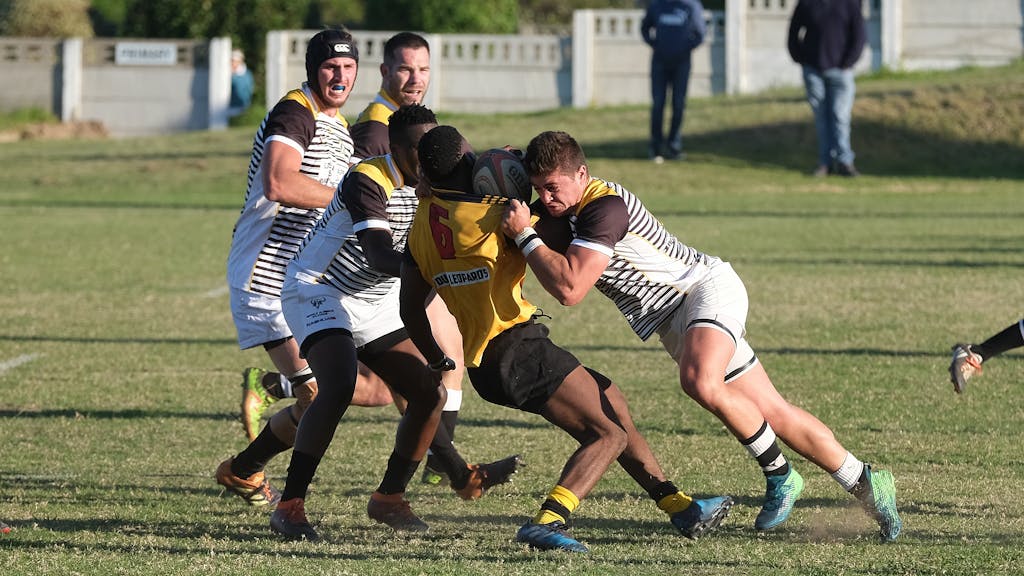
Geometry determines when organisation must arrive. In permissive space, athletes can delay alignment and recover late. In constrained space, timing becomes visible and alignment must occur earlier.
COD LAB uses geometry to reveal timing, not to trap athletes. Movement that organises early survives, while movement that organises late slows.
COD LAB observes behaviour before correcting it. Honest environments reveal what movement is actually doing.
Observation Over Instruction
COD LAB does not attempt to control movement through constant cues. Instruction often masks problems by correcting them before they appear. This system allows behaviour to emerge first. Only then is intervention considered. Observation precedes instruction.
Reality
Why We Don’t Promise Outcomes
Outcomes sit downstream of many variables. Claiming ownership over them without controlling those variables is misleading. COD LAB avoids outcome claims because behaviour must be observed in context.

Performance is contextual
Performance emerges from the interaction of speed, space, decision, and opposition. No single system can claim ownership over those outcomes.

Injury is multi-factorial
Injury risk is shaped by load, fatigue, history, movement quality, and environment. No method can isolate or eliminate those variables.
Transfer cannot be assumed
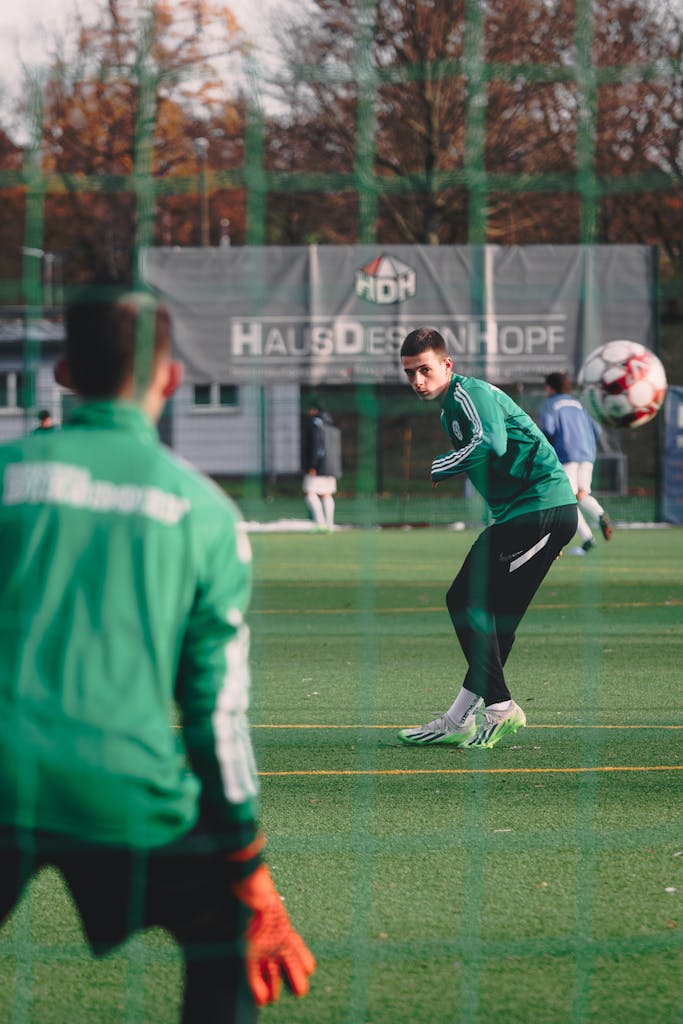
Skills practiced in isolation do not automatically survive competition. Transfer must be exposed under realistic conditions.
Who This Philosophy Serves
This philosophy values clarity over comfort.
Ethics & Responsibility
Coaching judgement
The system does not override the coach. It provides clearer movement information so better decisions can be made.
Clinical decision-making
COD LAB does not replace clinical assessment. Medical judgement always guides rehabilitation and return-to-play decisions.
Athlete autonomy
Athletes remain active participants in the process. The system supports development without removing individual responsibility.
If behaviour matters, it must be observable.
Phone:
123-456-789
Email:
mail@codlab.com.au