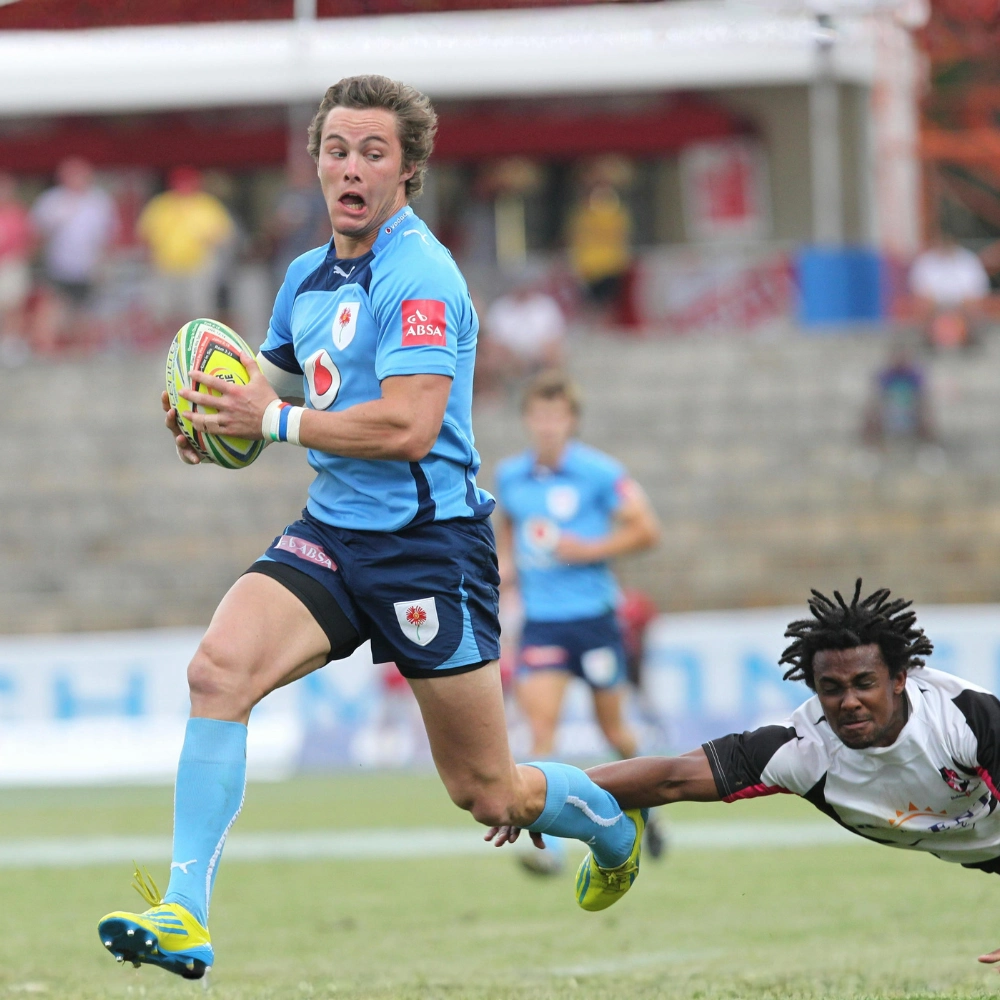
Speed That Holds When It Matters
Most athletes can run fast. Few can use it when the moment changes.
Same Speed Different Outcome
The difference isn’t speed. It’s whether it hold.
Most training never reaches this movement.
Athletes are taught to:
– slow down
– set up
– then change direction
The game doesn’t give that time. So the problem has to change. Movement has to be organised while speed is already active. Not before it.
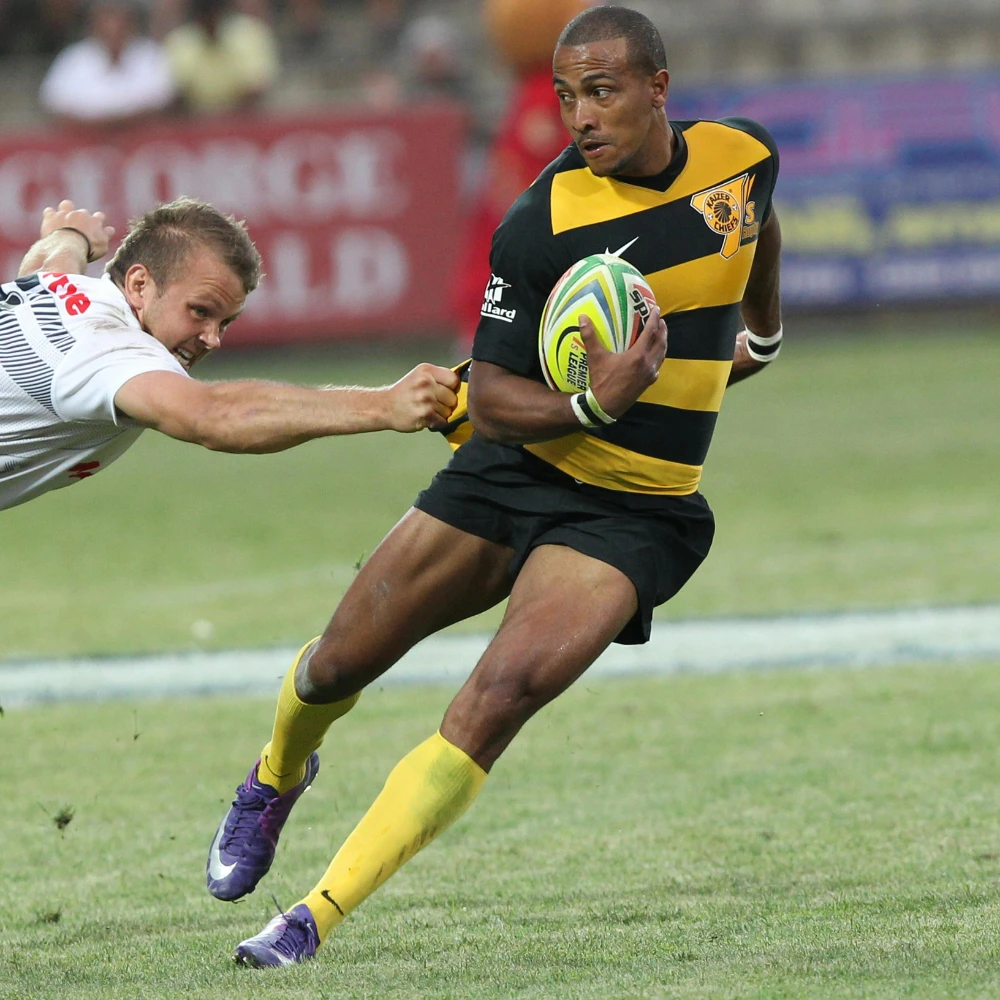
This is What CoD Lab Does
A constrained environment where athletes must adjust direction without slowing down or resetting.
They either carry speed – or lose it.
Where You Use it
When speed isn’t the problem
At higher levels, everyone is fast. This separates who can use it.
Stop guessing who performs
Same speed. Different outcome. See what testing doesn’t show.
Used where performance matters
The COD LAB system is scalable across the entire sporting ecosystem.
Same system. Different environments.
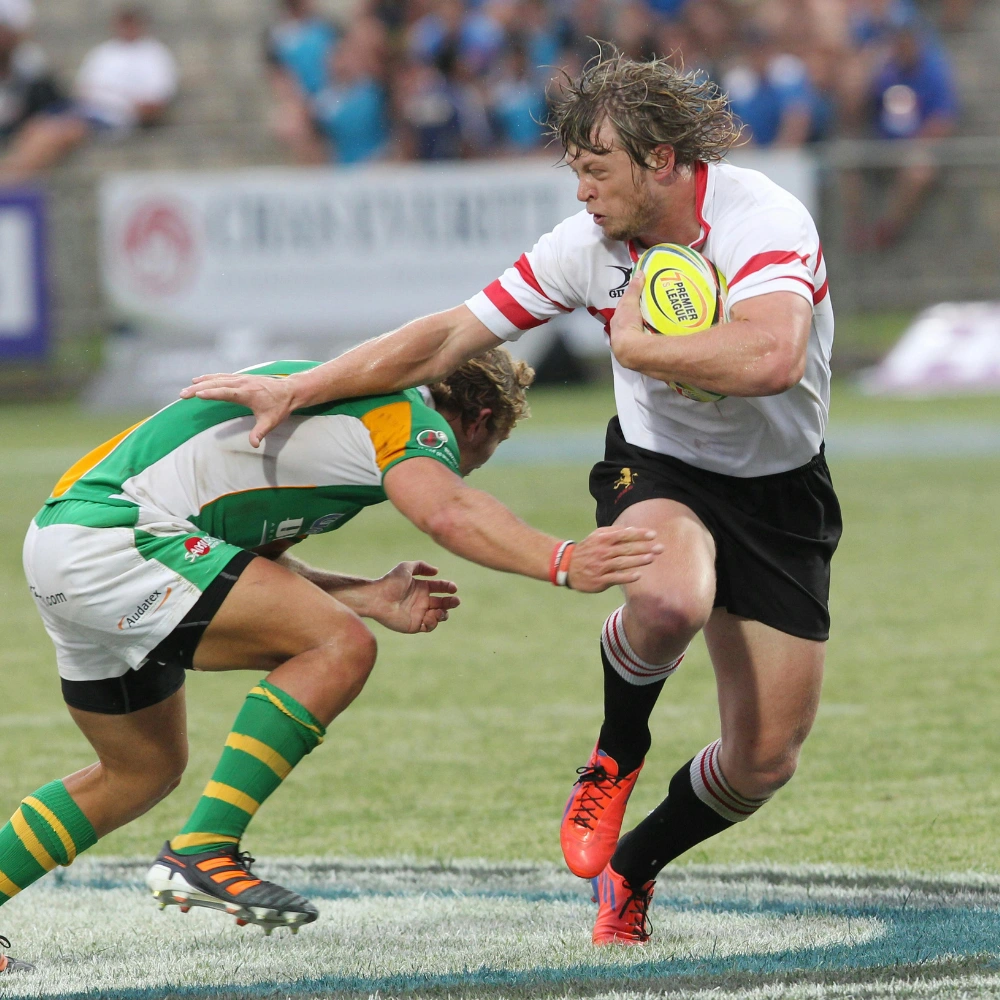
Cleared isn’t the same as ready
Return-to-play restores capacity. It doesn’t guarantee movement holds under pressure.
Membership exists to guide application.
Train Speed the way The Game Demands It
If it doesn’t hold under pressure, it doesn’t transfer.