
What they learn early stays
Most athletes don’t lose speed later. They learn to lose it early.
If movement is solved with time in training, that’s what shows up when the game speeds up.
You’ve seen this
Fast In Open Space
Slows Down To Change Direction
Needs Time To Organise
That doesn’t start in games. It starts in training.
You’ve seen this
Fast In Open Space
Slows Down To Change Direction
Needs Time To Organise
That doesn’t start in games. It starts in training.
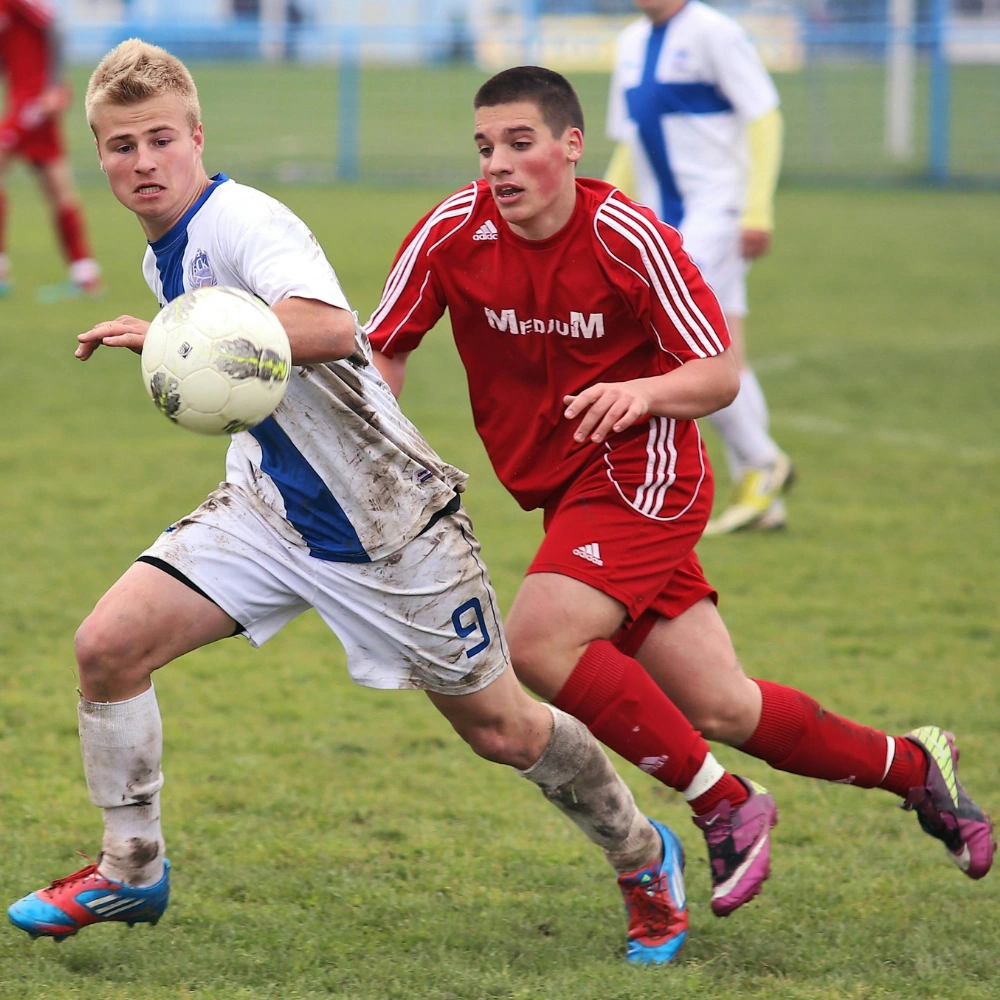
Most Youth Training Creates This
Sessions are kept controlled. Speed is reduced. Movement is broken into steps.
So That’s What Gets Learned.
The Game Doesn’t Wait For That
Young athletes don’t get time to prepare movement. They arrive already moving and have to adjust without stopping.
If They Haven’t Trained That, They Can’t Solve It.
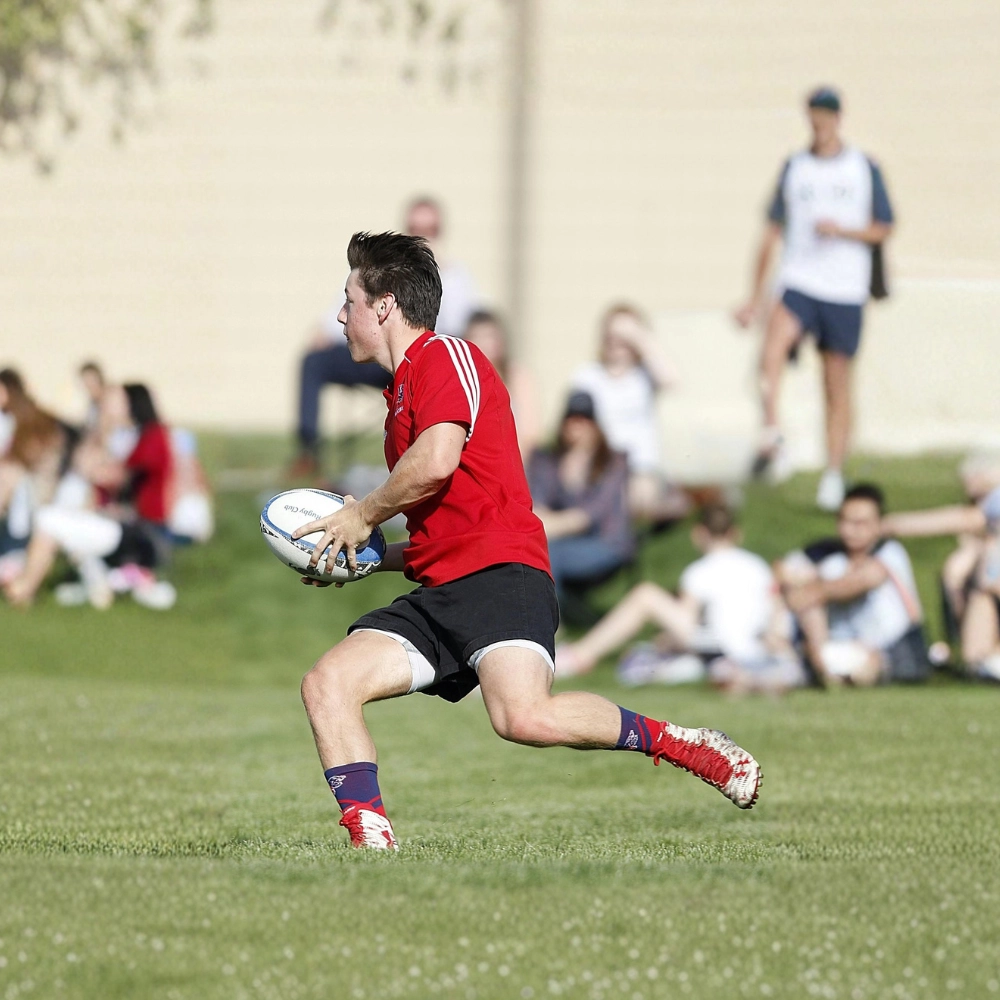
So The Problem Has To Change Early
Movement needs to be organised while speed is already present.
Not After It Slows Down
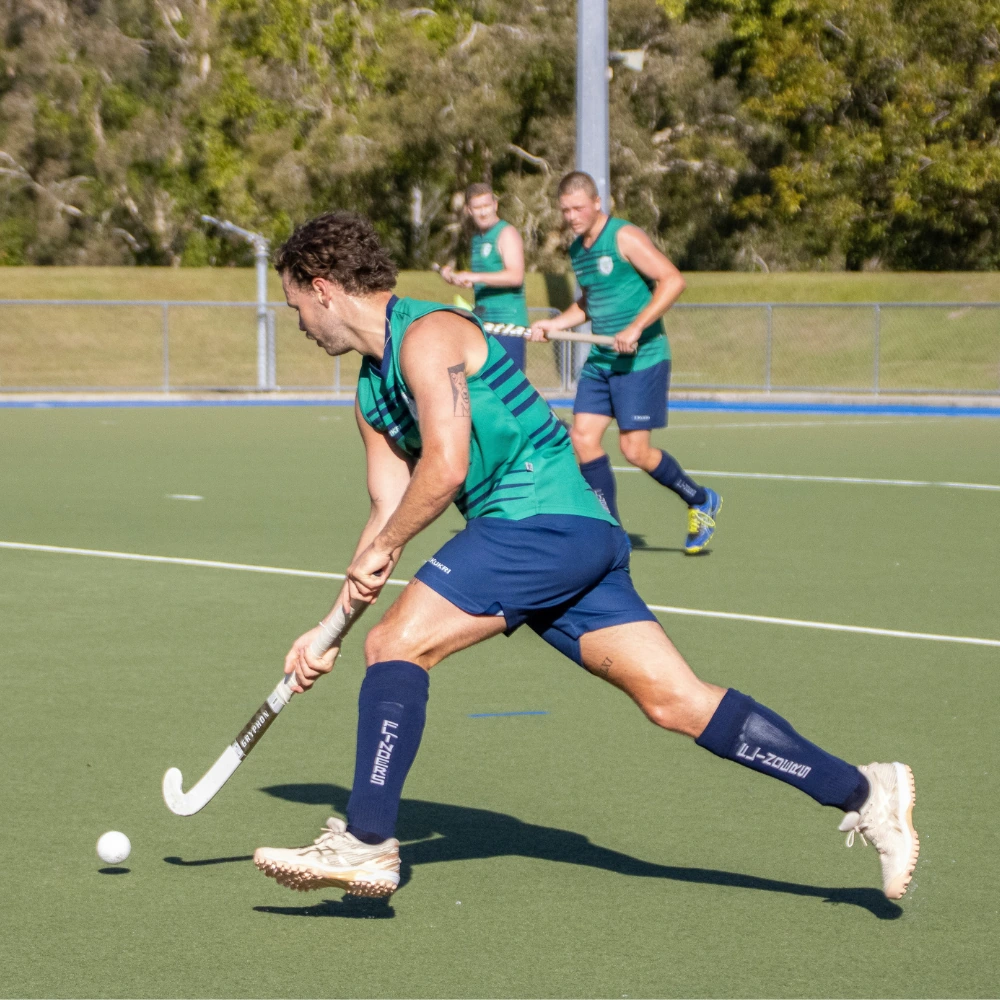
This Is Where CoD Lab Starts
A simple corridor forces athletes to adjust direction while still moving.
01
No slowing down
02
Speed holds into the moment
03
No solving it late
They either carry speed — or lose it.
What Changes First

Movement Stays Connected
Direction Happens Without Stopping
Speed Carries Through
They Feel It Immediately.
This is Where Problems Are Created or Avoided
As athletes get faster, the margin for error gets smaller.
If Timing Doesn’t Develop Early, It Won’t Catch Up Later.
Don’t Wait Until It Shows Up
Fix the problem before it becomes the pattern.